Getting visibility online is no longer optional for modern businesses. Whether you run a dental clinic, retail store, gym chain, or EV charging station network, online visibility directly influences your foot traffic, customer trust, and long-term growth.
But with so many platforms, algorithms, and content formats to consider, how to market a local business online becomes an overwhelming question, especially for teams managing dozens or hundreds of locations. This guide breaks it down with actionable advice, real benchmarks, and best practices built for businesses with many locations.
Why Local Marketing Matters for Businesses with Multiple Locations
Let’s start with the numbers:
- 72% of consumers search online for local businesses every week
- 76% of nearby mobile searches lead to a visit within 24 hours
- Businesses with complete and optimized profiles get 5× more views and 2.7× more actions
→ Dive into more key Local Search Stats 2025
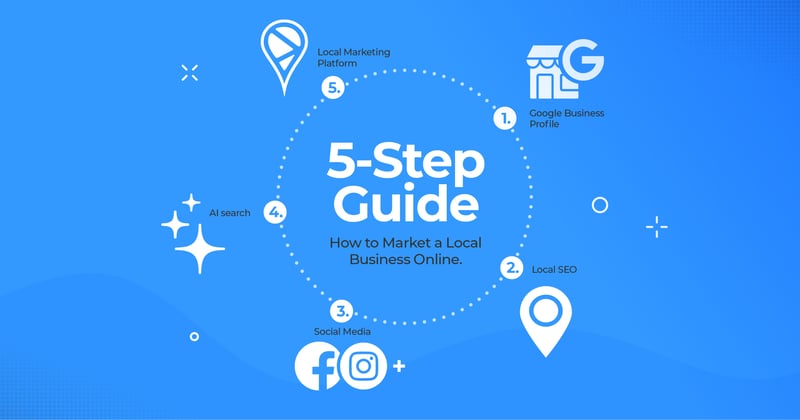
Step 1. Start With Your Google Business Profile
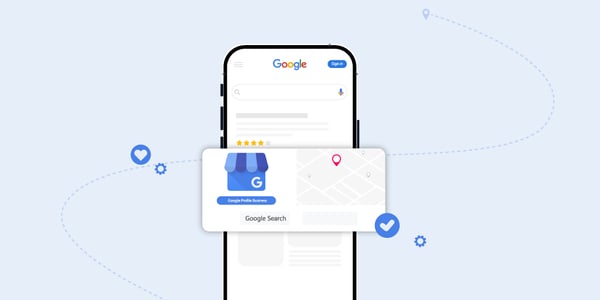
The foundation of any local marketing strategy is your presence on Google Business Profile (GBP).
Make sure your profile is:
- Fully completed with accurate name, address, phone (NAP), hours, and categories
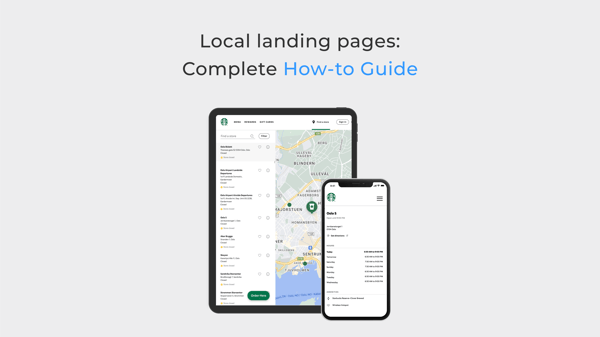
- Connected to a strong landing page or store locator
- Continuously updated with photos, posts, and service/product attributes
→ Further reading: Google Business Profile Guidelines 2025
Step 2. Optimize for Local SEO (Beyond Google)
Search engines remain a major discovery channel, but local SEO now involves more touchpoints:
- Structured data or schema markup for every store page
- Local backlinks and citations
- Location-based content like area-specific offers or news
- High-quality, keyword-rich landing pages
Don’t forget your Google Maps visibility which is driven by GBP data, photos, reviews, and location signals.
→ Further reading: Why Is My Business Not Showing Up on Google
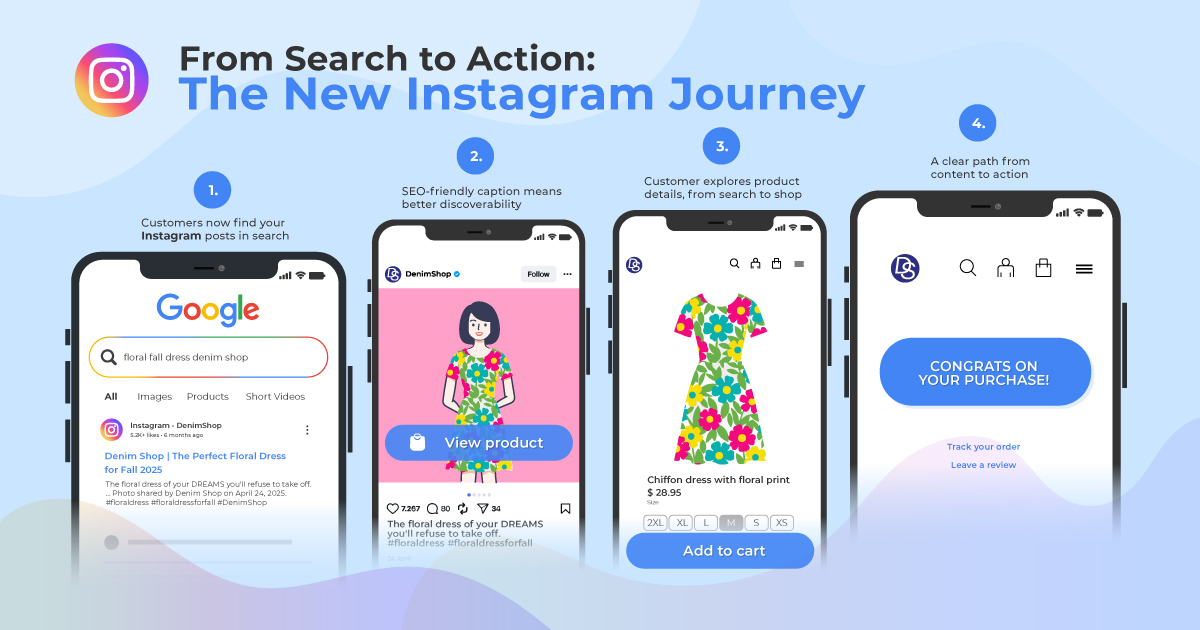
Step 3. Use Social Media to Build Local Engagement
While Google gets people to find you, platforms like Instagram, Facebook, and LinkedIn help them connect with you.
Each location should share:
- Local events or promotions
- Behind-the-scenes updates
- Community partnerships
- Reviews and testimonials
Scheduling regular posts across all locations (while tailoring by city or region) can be done efficiently with local social media management tools like PinMeTo Posts, which supports Facebook, Instagram, Google Posts, and LinkedIn.
→ Further reading: How to SEO Optimize Instagram for Google
Step 4. Understand AI and Search Evolution
AI-powered tools like Google SGE and Bing Copilot are changing how users discover businesses. These platforms summarize business content from multiple sources: reviews, GBP, schema, posts.
To stay visible, brands should:
- Use structured data on their websites (like LocalBusiness schema)
- Keep GBP profiles and local pages active
- Optimize and restructure content for AI search
- Work on adding more authority and trust through third party mentions
- Monitor which content gets surfaced in AI-powered search previews
→ Further reading: AI SEO Hacks for Local Businesses
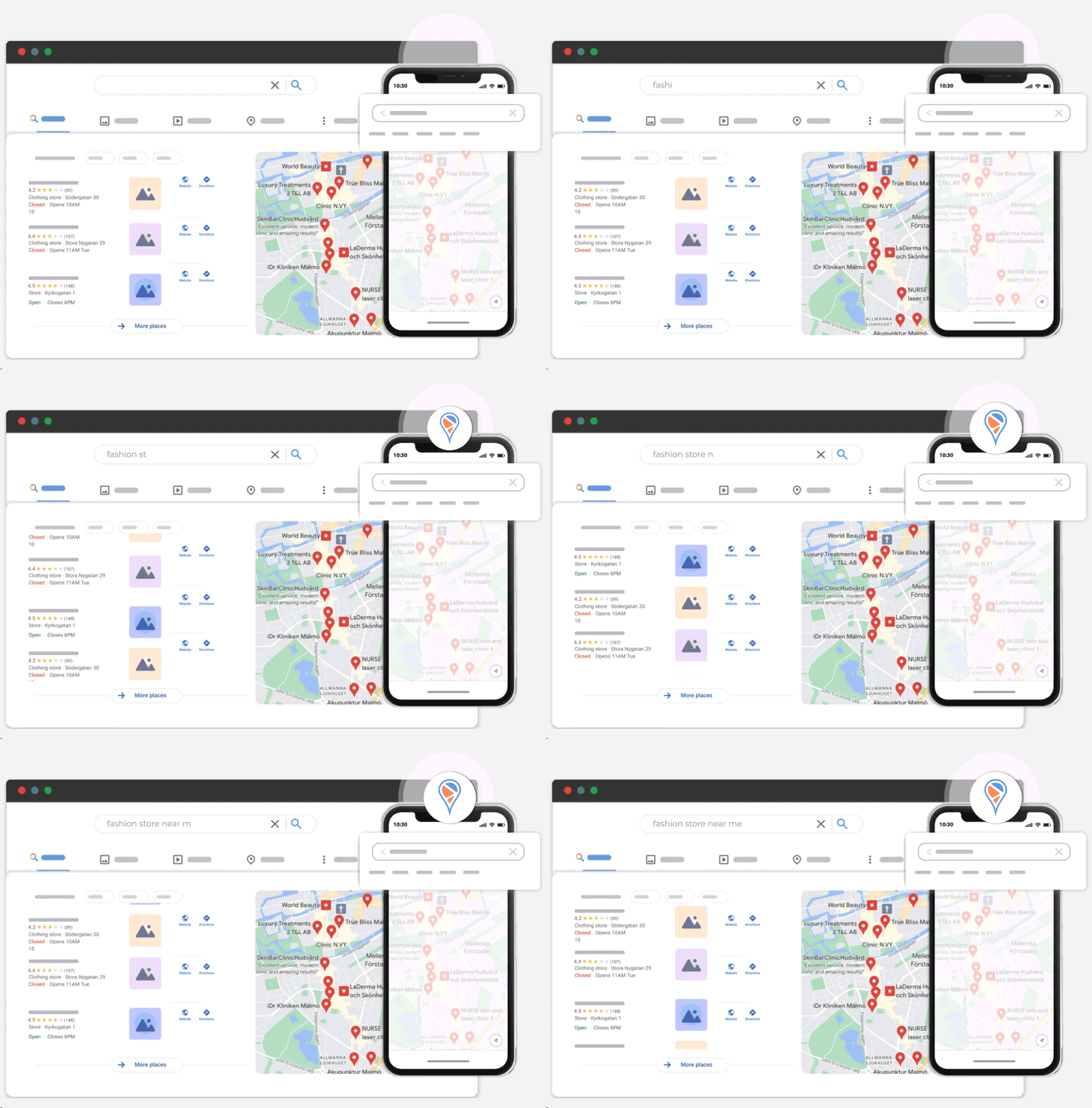
Step 5. Use a Centralized Local Marketing Platform
Managing visibility manually across 50 or 500 locations isn’t sustainable.
PinMeTo's local marketing suite lets you:
- Push verified data to all platforms (Google, Facebook, Bing, Apple, etc.)
- Monitor and respond to reviews across locations using AI assistance
- Plan and schedule posts across all channels from one place
- Track profile completeness, task lists, and performance insights in one dashboard
To Sum Up
If you’ve been asking yourself how to market a local business online, the answer starts with being present, accurate, and active across all discovery points like Google, social media, search, and local maps. What matters most isn’t just being seen but being chosen.
FAQs: How to Market a Local Business Online
What is the best way to market a local business online?
Start by claiming your Google Business Profile, completing it fully, and keeping it active. Then expand to social media (Facebook, Instagram, LinkedIn) and local SEO tactics like schema markup and reviews.
How can I improve my local business visibility on Google?
Focus on profile completeness, local backlinks, consistent NAP, reviews, and location-specific content. Use tools like PinMeTo to keep data synced across platforms.
Is social media important for local business marketing?
Yes. Social platforms help build community engagement and visibility beyond search. Localized posts can drive foot traffic, loyalty, and trust.
How often should I post online for my local business?
Aim for at least 1–2 posts per week per location. Consistency matters more than volume. Tools like PinMeTo allow bulk scheduling and AI-powered content suggestions.
Does AI impact how local businesses appear online?
Yes. AI-powered summaries (Google SGE, Bing Copilot) use GBP data, reviews, and structured content to generate business descriptions. Make sure your content is accurate, fresh, and well-structured.
Lily Adamyan, October 30